
 Kate Walton
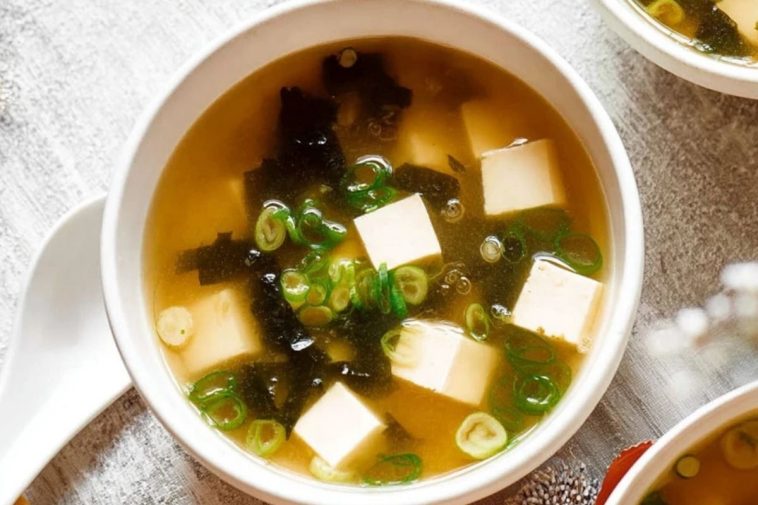

Simple, comforting, and full of umami — this Easy & Authentic Miso Soup is the ultimate warm-up bowl that brings Japanese tradition right to your table. Whether you’re familiar with this classic or it’s your first time making it from scratch, you’re in for a soul-soothing experience. This recipe hits all the notes: savory miso, silky tofu, tender seaweed, and a sprinkle of scallions, all bathing in a perfectly balanced dashi broth.
What makes this version truly authentic yet approachable is how effortlessly it comes together with just a few pantry staples. Ready in under 20 minutes, it’s ideal for busy weeknights, quick lunches, or when you’re craving something nourishing without much fuss. Once you’ve tried homemade, you’ll never go back to the instant packets.
Why You’ll Love This Easy & Authentic Miso Soup
- Quick to prepare – No long simmering times or complicated steps.
- Minimal ingredients – Only a handful of real, clean, and traditional Japanese staples.
- Vegan-friendly – Use kombu dashi instead of bonito for a plant-based option.
- Comfort food – Light yet deeply flavorful, it soothes the body and mind.
- Customizable – Add mushrooms, bok choy, or noodles to make it your own.
Preparation Phase & Tools to Use
To create the perfect miso soup, having the right tools can make all the difference:
- Medium Saucepan: Ideal for evenly heating the dashi base without scorching. A must for balancing flavor.
- Fine Mesh Strainer or Miso Strainer: Helps to dissolve miso paste evenly in the broth without lumps, preserving that smooth texture.
- Ladle: Useful for gently stirring and serving the soup without breaking delicate tofu cubes.
- Cutting Board & Sharp Knife: For neatly dicing tofu and slicing scallions for clean presentation and even bites.
- Measuring Spoons: Ensure precise balance of dashi and miso paste for consistent results every time.


Ingredients for the Easy & Authentic Miso Soup
- Dashi stock (2 cups): The savory base that brings out deep umami. Choose from instant, kombu, or bonito dashi.
- White or Yellow Miso Paste (2 tbsp): Adds salty, fermented depth to the broth. Avoid boiling it to keep the probiotics active.
- Soft Tofu (1/2 block, cubed): Offers a creamy texture and a protein boost.
- Dried Wakame Seaweed (1 tbsp): Rehydrates in the broth and gives that signature miso soup touch.
- Green Onions (2 stalks, sliced): For freshness, aroma, and a little bite.
How To Make the Easy & Authentic Miso Soup
Step 1: Make the Dashi Base
Heat the dashi in a medium saucepan over medium heat until it’s warm but not boiling.
Step 2: Soften the Seaweed
Add the dried wakame seaweed to the hot dashi and let it rehydrate for 5 minutes.
Step 3: Add the Tofu
Gently slide the tofu cubes into the pot. Let them warm up without stirring too much.
Step 4: Dissolve the Miso Paste
Turn off the heat. Scoop some broth into a small bowl and whisk the miso paste into it. Then pour it back into the soup. Never boil miso to preserve its nutrients.
Step 5: Finish with Scallions
Top with freshly sliced green onions. Ladle into bowls and serve immediately.
How to Serve & Store Your Miso Soup
This soup is best served hot and fresh as a light appetizer or paired with rice and side dishes like tempura or pickles. If you’re serving guests, sprinkle extra scallions or even a dash of shichimi togarashi for added flair.
For storing, let the soup cool and transfer it to an airtight container. Refrigerate for up to 3 days. When reheating, warm it gently on the stove without boiling to keep the miso’s benefits intact.
Frequently Asked Questions
Can I use red miso instead of white?
Yes, but it will have a stronger, saltier taste. White or yellow miso is milder and preferred for traditional miso soup.
Is miso soup vegetarian or vegan?
It can be! Just use kombu dashi instead of bonito flakes, and ensure your miso paste doesn’t contain fish ingredients.
Can I add noodles to this soup?
Absolutely. Udon or soba noodles make a more filling version of this dish.
What can I use instead of tofu?
You can swap tofu for mushrooms, cooked shrimp, or even shredded chicken, depending on dietary needs.
Can miso soup be frozen?
It’s best not to freeze it. The texture of tofu and the dissolved miso may change.
Why shouldn’t I boil miso?
Boiling kills the beneficial probiotics found in miso paste. Always add miso at the end with the heat off.
Want More Soup Ideas?
If you loved this Easy & Authentic Miso Soup, try more cozy bowls from Kitchen By Kate:
- Hearty Italian Sausage Soup for a rich and savory experience.
- Easy Thai Red Curry Dumpling Soup for something spicy and satisfying.
- Crab and Shrimp Seafood Bisque for a creamy coastal twist.
- Authentic Tom Kha Gai Soup if you enjoy the flavor punch of Thai cuisine.
- Jalapeño Heat Shrimp Soup to turn up the heat.
Save This Pin For Later
📌 Save this recipe to your Pinterest soup board so you can come back to it any time: Kitchen By Kate on Pinterest
And let me know in the comments how your miso soup turned out. Did you stick to the classic version, or add your own twist?
I love seeing how you make these recipes your own. Feel free to ask questions or share your favorite additions!


Easy & Authentic Miso Soup
- Total Time: 15 minutes
- Yield: 2 servings
- Diet: Vegetarian
Description
Warm, comforting, and bursting with umami, this easy & authentic miso soup is a quick and nourishing dish you’ll want to make again and again. With just a few ingredients like dashi, miso paste, tofu, and seaweed, it’s perfect for a quick lunch, an easy dinner side, or a healthy snack. Whether you’re new to Japanese cooking or a miso soup regular, this is a go-to easy recipe that delivers every time. Great for busy weeknights, wholesome food ideas, and light but satisfying meals.
Ingredients
2 cups dashi stock
2 tablespoons white or yellow miso paste
1/2 block soft tofu, cubed
1 tablespoon dried wakame seaweed
2 stalks green onions, sliced
Instructions
1. Heat the dashi in a medium saucepan over medium heat until warm but not boiling.
2. Add the dried wakame to the hot broth and let it rehydrate for about 5 minutes.
3. Gently add tofu cubes into the pot and allow them to warm up for 2–3 minutes.
4. Scoop a ladle of hot broth into a small bowl, whisk in the miso paste until smooth, then pour it back into the pot. Turn off the heat before adding miso.
5. Stir gently and garnish with freshly sliced green onions. Serve hot.
Notes
Do not boil miso paste — it destroys its beneficial probiotics.
Use kombu dashi to keep the soup vegan-friendly.
You can bulk up the soup with mushrooms, noodles, or spinach if you want a fuller meal.
- Prep Time: 5 minutes
- Cook Time: 10 minutes
- Category: Soup
- Method: Stovetop
- Cuisine: Japanese
Nutrition
- Serving Size: 1 bowl
- Calories: 70
- Sugar: 1g
- Sodium: 710mg
- Fat: 3g
- Saturated Fat: 0.5g
- Unsaturated Fat: 2.5g
- Trans Fat: 0g
- Carbohydrates: 5g
- Fiber: 1g
- Protein: 6g
- Cholesterol: 0mg